Individualized Older Adult Care Services: Your Supporter in Aging Gracefully
Personalized senior care services play a vital role in assisting seniors as they advance in age. These options focus on personal needs and preferences, offering essential help that enhances both independence and well-being. With options varying from social engagement to specialized medical support, families often encounter obstacles in picking the suitable strategy. Learning about the multiple facets of personalized support can lead in significant improvements in wellness for older individuals. What elements should one think about when selecting a care provider?
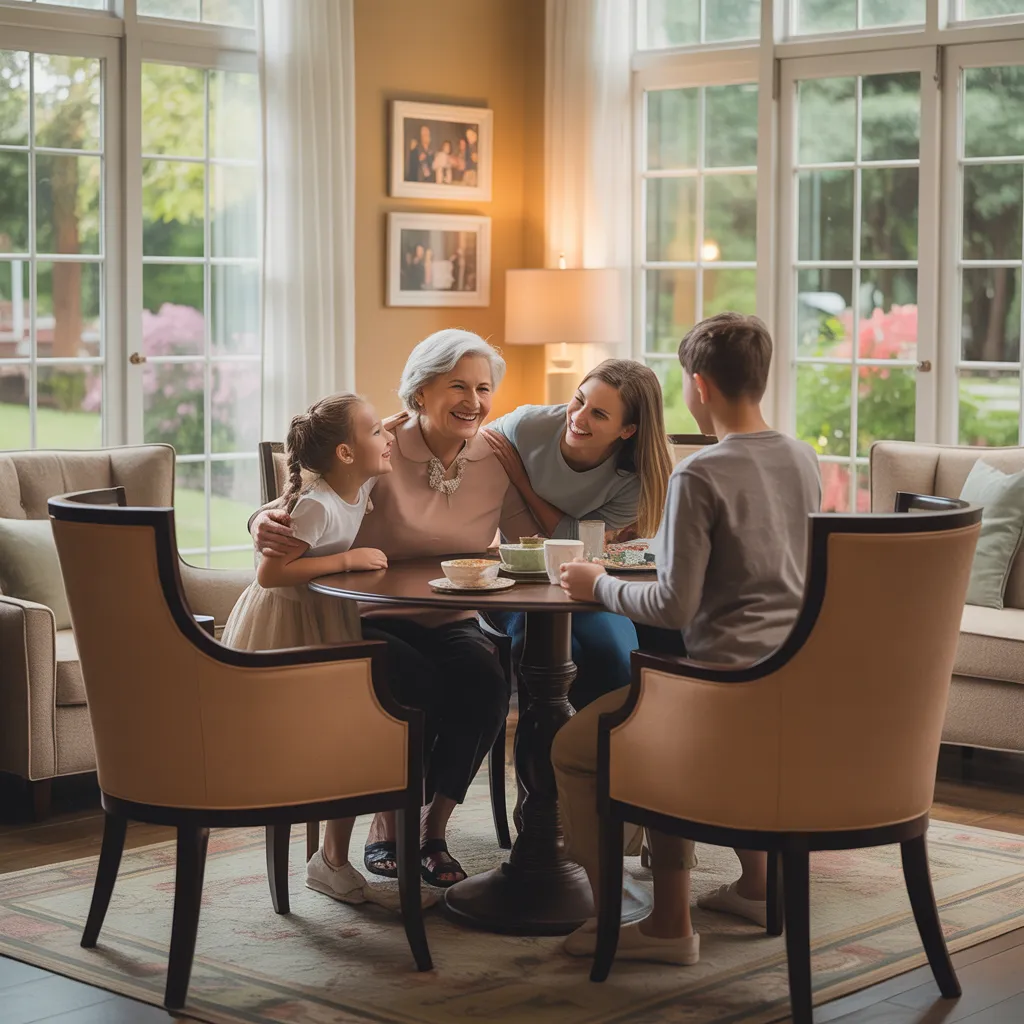
Grasping Tailored Senior Care Services
Personalized support can offer aid with routine activities, medical supervision, and social engagement, all intended to encourage self-reliance and respect. By centering on the person, care professionals can build a sense of connection and direction, which is critical for emotional health. In addition, these offerings often change throughout time, meeting the shifting needs of older people. This responsiveness enables regular review and fine-tuning, ensuring that care stays relevant and effective. Fundamentally, personalized senior care centers on boosting the comprehensive well-being of older adults in a considerate and understanding manner.
Forms of Personalized Senior Health Services
Personalized elderly care offerings encompass a variety of options customized to meet individual needs. Primary categories feature in-home care options that deliver assistance within the convenience of one's home, as well as specialized health services developed for specific health issues. These services work to improve the standard of living for seniors, guaranteeing they get the appropriate support.
In-Home Services Options
As families seek to assure their loved ones gain the best possible care, numerous domiciliary care choices surface to satisfy diverse needs. Social care services furnish affective support and social interaction, helping seniors combat loneliness while supporting with daily activities. Health aides focus on hygiene and mobility support, ensuring safety and comfort in a familiar environment. For those requiring more assistance, homemaker services render help with household tasks such as cleaning, cooking, and laundry, allowing seniors to sustain their independence. Respite care affords temporary relief for primary caregivers, offering much-needed breaks while ensuring continuity of care. Each option highlights individual attention, allowing families to pick the level of support that fits with their loved one's unique requirements.
Professional Health Solutions
Navigating the intricacies of aging often requires specialized health services tailored to meet the unique medical needs of seniors. These services encompass a range of offerings, including geriatric assessments, chronic disease management, and physical therapy. Geriatric assessments assess an individual's overall health, determining specific needs and interventions. Chronic disease management focuses on conditions like diabetes or heart disease, providing ongoing support and education to ensure ideal health outcomes. Physical therapy helps seniors recover mobility and strength, improving their quality of life. Additionally, mental health services support emotional well-being, offering counseling and support groups. By integrating these specialized services, seniors can navigate their health journeys with greater assurance and support, ultimately promoting a more graceful aging process.
Important Benefits of Customized Elderly Care
Personalized elderly support yields considerable advantages by implementing individualized care plans that satisfy personal requirements. This adaptation not only advances improved health results but also strengthens the quality of life for seniors. By prioritizing the individual preferences and needs of every person, individualized support establishes a supportive community perfect for overall well-being.
Individualized Care Solutions
A growing collection of aged care organizations are discerning the importance of tailored care plans, which provide to the unique needs and preferences of each party. These individualized strategies assess various considerations, including medical history, physical capabilities, and emotional well-being, verifying that care is not only effective but also considerate toward the senior's lifestyle and wishes. By incorporating family members and caregivers in the planning process, these services support a collective strategy that enhances satisfaction and compliance. In addition to this, tailored care plans can adapt over time, reflecting changes in health status or personal preferences, thereby sustaining ongoing support. This bespoke care helps seniors safeguard self-determination while receiving the care they require, ultimately fostering more meaningful and fulfilling experiences.
Elevated Standard Of Life
Numerous analyses highlight that personalized senior care notably enhances the quality of life for older adults. By focusing on individual needs, tastes, and lifestyles, these services promote physical, emotional, and social well-being. Tailored care plans can lead to better health outcomes, as they often include customized nutrition, exercise, and medication management. Additionally, personalized attention develops meaningful relationships between caregivers and seniors, curbing feelings of isolation and loneliness. This supportive environment encourages active engagement in daily activities, enhancing mental stimulation and overall happiness. Ultimately, personalized senior care not only addresses medical needs but also strengthens the emotional and social dimensions of aging, allowing older adults to thrive and maintain their dignity.
Picking the Appropriate Senior Care Organization
How can families ensure they select the most suitable senior care provider for their family members? The process begins with comprehensive investigation. Families go now should evaluate candidate facilities based on qualifications, experience, and services offered. Reviewing online reviews and customer feedback can provide useful information into the quality of care.
Next, scheduling interviews enables families to ask specific questions, guaranteeing that the provider's philosophy and approach correspond with their loved one's needs. It is essential to evaluate the care setting's atmosphere and personnel engagement, as these elements greatly influence the quality of care.
Additionally, checking proper licensing and accreditation can help families evaluate the provider's credibility. Grasping the fee arrangement and available financial options is similarly vital to avoid surprise costs. At the end of the day, picking a senior care provider should involve a equilibrium of extensive research and personal connection, ensuring that the selected option supports the loved one's health and honor.
Boosting Autonomy and Wellbeing for Seniors
Additionally, technology plays an integral role in boosting independence. Resources like medical alert systems and home monitoring solutions allow seniors to take charge of their daily activities with confidence. Custom care plans, suited to individual needs, further support seniors in exploring hobbies and social engagements, fostering a sense of purpose.
Moreover, care providers supply backing for daily tasks while inspiring seniors to engage whenever feasible. This combination of assistance and autonomy not only bolsters safety but also promotes self-esteem, ultimately fostering a more satisfying and independent lifestyle for seniors.
Success Tales: How Individual Care Altered Lives
Personalized assistance has shown transformative results for seniors, illustrating the substantial effect personalized care can produce on their lives. As an example involves a 78-year-old woman named Margaret, who battled mobility and social isolation. Following participation in a customized support program, she obtained backing that included personalized exercise plans and engagement activities. In just a few months, Margaret restored her physical strength and confidence, permitting her to engage in local events.
Likewise, John, a 72-year-old veteran with memory challenges, reaped the benefits of one-on-one cognitive stimulation activities developed for his interests. His caregiver worked in familiar themes from his military service, strengthening meaningful conversations and easing anxiety.
These examples show how individualized attention not only addresses unique requirements but also boosts psychological health. By customizing services to each senior's distinct needs, support workers can significantly enhance living standards, enabling elderly adults to age gracefully and with dignity.
Common Questions Posed Often
How Are Customized Care Plans Developed for Each Senior?
Tailored care plans for older adults are created through extensive assessments, involving assessments of overall condition, likes, and personal requirements. Collaborating with medical providers, household members, and the seniors themselves ensures customized support that promotes quality of life and dignity.
What Credentials Must Be Required for Caregivers to Give Personalized Services?
Caregivers are required to maintain suitable qualifications, such as CPR and first aid, enhanced with comprehensive education in elderly care. Understanding, speaking abilities, and background with assorted health issues are fundamental for furnishing effective personalized services.
How Can Relatives Stay Involved in the Treatment Process?
Families can stay involved in the caregiving journey by attending meetings, maintaining consistent communication with caregivers, participating in care planning, and participating in activities with their family members, creating a collaborative and supportive environment for seniors.
What Critical Protocols Are Available for Seniors Availing Support?
Emergency guidelines for aged individuals under care provide immediate access to health aid, established communication systems for caregivers, regular safety drills, and individualized crisis blueprints designed to individual medical concerns and preferences, ensuring prompt interventions during emergencies.
Are Personalized elderly care options Protected by Insurance?
Personalized elderly care options may be partially paid by health insurance, depending on the policy. Coverage often differs by service provider and particular care needs needed, so people should review their coverage policies for comprehensive details regarding qualification requirements and available benefits.